Parents track the score obsessively and treat the Sainik School medical test as a formality at the end. It is not a formality. It is a gate, and it is the last one — which makes failing it the most painful outcome in the whole process.
The examination happens after the seat is allotted. A child who scores 260 out of 300, wins a home-state seat, and is then found medically unfit loses that seat to the next candidate on the list. Everything above it counts for nothing.
The medical is conducted after allotment, at the school, and the seat is provisional until it is cleared. Correctable conditions should be corrected during the preparation year, not discovered in March.
What the Medical Examination Actually Checks
Authorised medical authorities examine general health and specific systems. Across recent cycles the examination has covered:
| Area | What is assessed |
|---|---|
| Vision | Acuity in each eye, colour vision, squint |
| Hearing | Auditory function in both ears |
| ENT | Ear, nose and throat condition |
| Heart | Rhythm, murmurs, general cardiac fitness |
| Lungs | Chest and respiratory function |
| Skin | Chronic or communicable skin conditions |
| Speech | Stammer or significant speech impairment |
| Kidneys and abdomen | General examination |
| Bones and posture | Deformities, spine, limbs, gait |
| Height, weight, general development | Age-appropriate physical development |
The precise standards for a given cycle are published in the official information bulletin at aissee.nta.nic.in and by the allotted school. Read those rather than any summary, including this one.
The Three Findings That Cause the Most Trouble
1. Uncorrected vision
By far the most common issue we encounter. Many children have a refractive error nobody has tested for, because they compensate quietly for years. Get an eye test done this year. If spectacles are needed, get them, and let the child adjust to them long before the exam.
2. Undiagnosed ear or hearing issues
Recurrent ear infections and glue ear are common at this age and often go unexamined. A routine ENT check now gives you months to treat rather than days.
3. Flat feet, posture and old fractures
Sainik School life involves daily physical training. Posture problems, knock knees, flat feet and poorly healed old fractures show up in the examination — and several respond well to physiotherapy given a year's run.
What we tell parents at Amaravathinagar: book a full paediatric check-up in the same month you begin coaching. It is a ₹1,000 appointment that protects everything else you are about to spend, in money and in your child's effort.
Fitness Is Not the Same as Passing the Medical
Two separate things get confused here.
- The medical examination is a clinical fitness check for admission
- Physical readiness is whether your child can survive — and enjoy — a school day that starts with PT at dawn
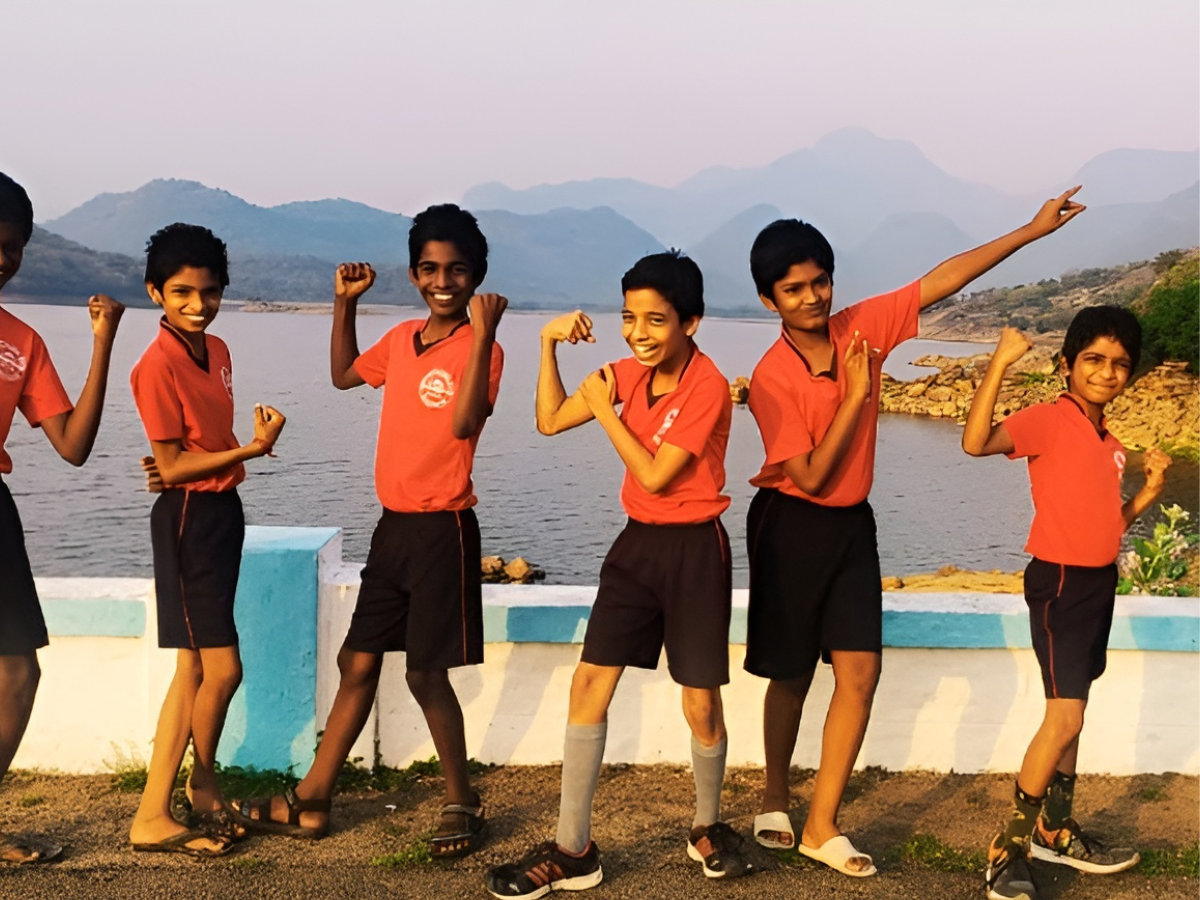
A child can clear the medical and still struggle badly in the first term because they have never run a kilometre or done twenty push-ups. This is one of the reasons our residential programme builds fitness into the daily routine rather than treating it as an extra:
- Morning jogging at the Amaravathinagar dam
- Structured, age-appropriate exercises
- Evening sports — cricket, football, kabaddi, volleyball
- Meditation, fixed meals, lights out at a fixed hour
The wider case for that routine is in how residential coaching prepares students for Sainik School life.
- Book a full paediatric check-up this month
- Get vision and hearing tested specifically
- Start daily physical activity now, not in the exam year
- Treat correctable conditions with a full year in hand
- Keep every medical report in the admission file
On the Day of the Medical
- Carry every report and prescription you have, plus the allotment letter and the document file
- Take a set of recent photographs; more than one stage asks for them
- Make sure the child has slept and eaten normally
- Answer honestly. Concealing a known condition risks the admission later, and it is not fair to a child who will be living away from home
If the Result Is "Unfit"
Ask precisely what was found and whether it is classified as temporary or permanent. Some findings are temporary and reviewable after treatment; the school will tell you the mechanism and the timeline, and the counselling notice for that cycle sets out any appeal or re-examination provision.
Then look at the alternatives properly rather than in panic. RMS and RIMC have their own separate medical standards and entry points, and other residential schools with defence-oriented programmes exist.
In 35 years we have learned this the hard way: the medical is the one gate that rewards nothing but early action. No amount of preparation in March substitutes for an eye test in July.
Keep reading
Frequently Asked Questions
When does the Sainik School medical test happen?
The medical examination is conducted after the AISSEE result and seat allotment, at or under the direction of the allotted school. The seat remains provisional until the medical and document verification are both cleared.
What does the Sainik School medical examination check?
It assesses general health and specific systems including vision, hearing, ENT, heart, lungs, skin, speech, kidneys, bones and posture, along with age-appropriate physical development. The exact standards are published in the official information bulletin.
Can a child wearing spectacles get admission to Sainik School?
Vision is assessed against the standards specified for the cycle, and corrected vision is examined as part of that. Have the child's eyes tested early so that any correction is in place and documented well before the medical.
What happens if a child is declared medically unfit?
The provisional seat is withdrawn and passed to the next candidate in merit order. Some findings are classified as temporary and may be reviewable after treatment, so ask the school for the exact finding and the provision that applies.
Is there a physical fitness or running test for Sainik School admission?
Admission is decided by the written exam, quota and the medical fitness examination rather than a sports trial. Physical fitness matters enormously once the child joins, because daily PT and games are part of school life.
What should we do a year before the exam to prepare medically?
Book a full paediatric check-up including vision and hearing, treat any correctable condition, and start daily physical activity. Conditions found a year early are usually fixable; the same conditions found in March are not.